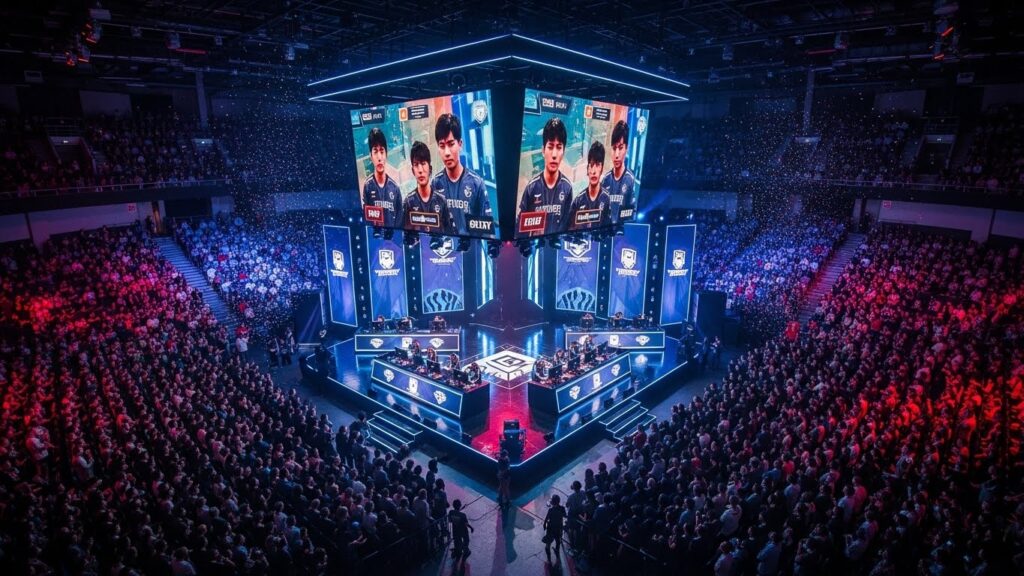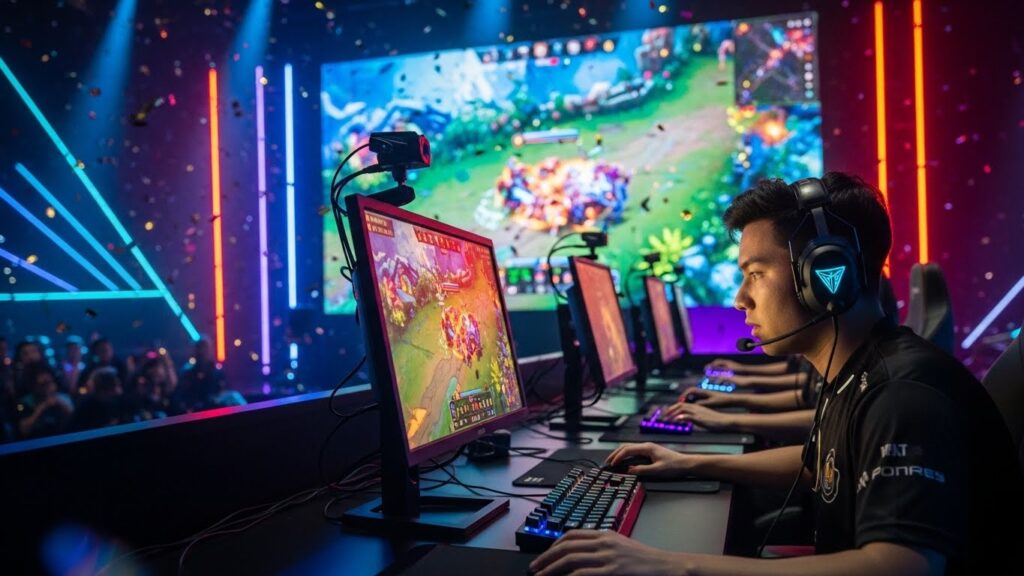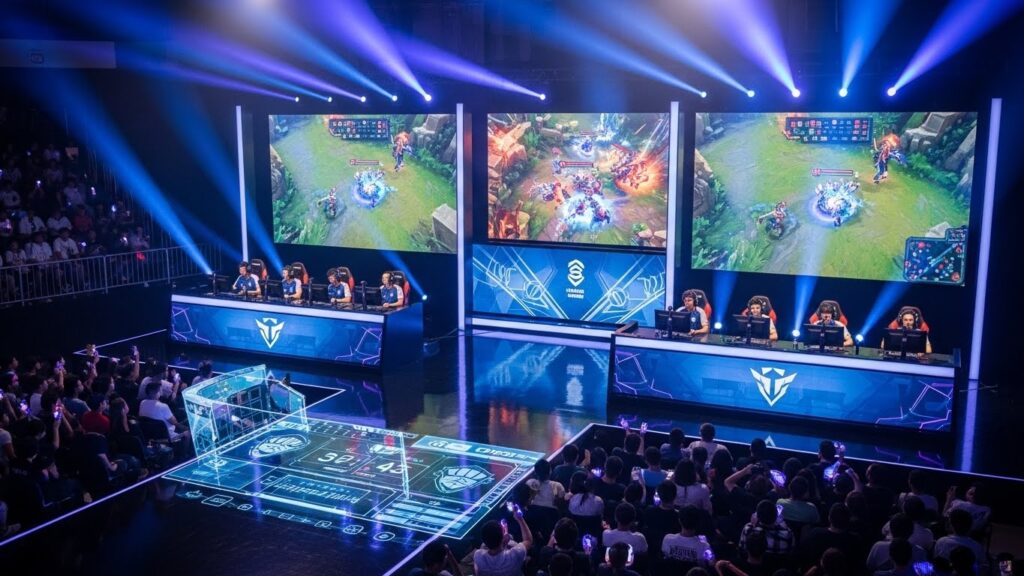
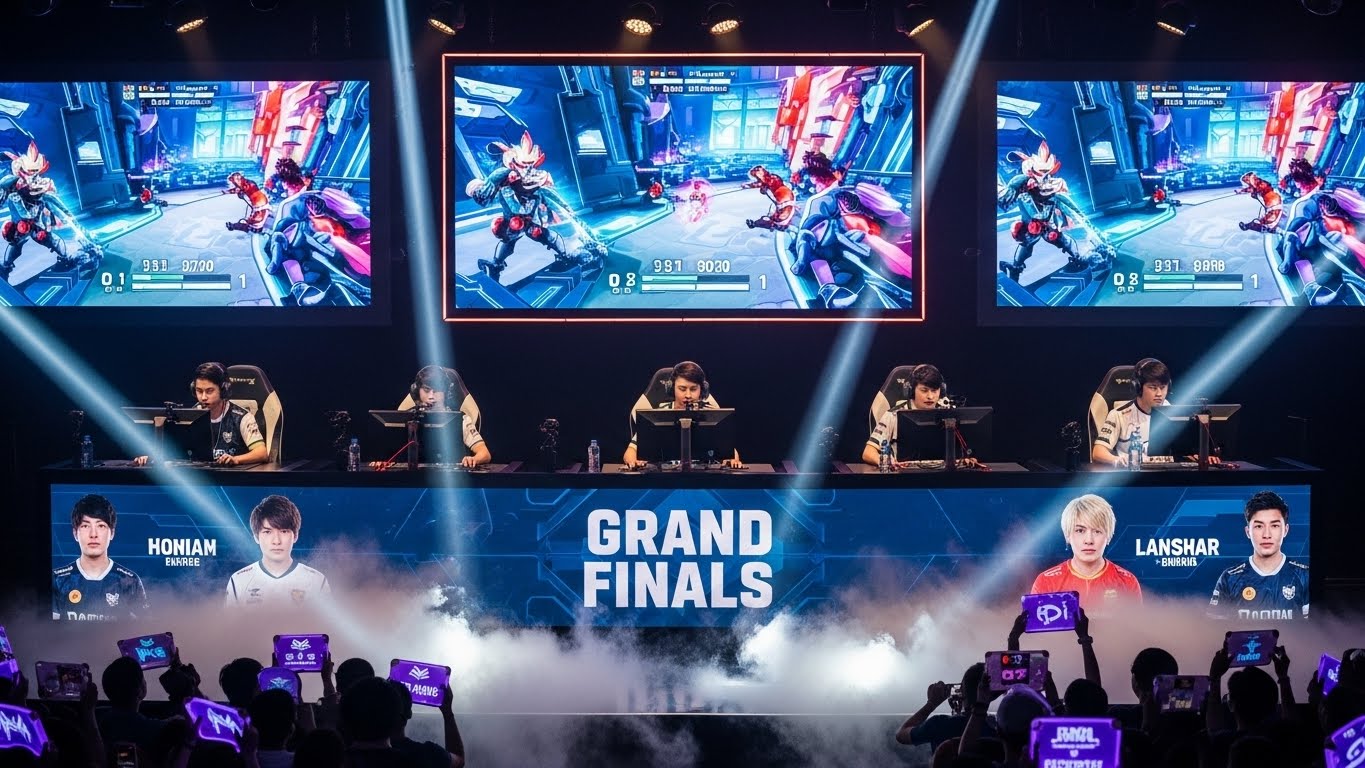
Esports, or electronic sports, has transformed from a niche hobby into a global phenomenon that rivals traditional sports in popularity and economic impact. With millions of fans tuning in to watch professional gamers compete in real time, esports has emerged as a legitimate form of competition, entertainment, and career opportunity. Its influence extends beyond gaming, shaping culture, technology, and social interactions across the world.
Understanding Esports
Esports refers to organized, competitive video gaming where players or teams compete in popular titles such as League of Legends, Dota 2, Counter-Strike, Fortnite, and Call of Duty. Unlike casual gaming, esports emphasizes skill, strategy, teamwork, and mental endurance. Competitions range from small local tournaments to massive international events with multimillion-dollar prize pools and live audiences.
The rise of esports reflects the convergence of technology, entertainment, and sports culture. Players train rigorously, analyzing game mechanics, developing strategies, and perfecting their reaction times to achieve peak performance. Like traditional athletes, professional gamers dedicate countless hours to refining their craft, demonstrating that esports demands discipline, focus, and resilience.
The Growth of the Esports Industry
The esports industry has experienced exponential growth over the last decade. Advances in high-speed internet, streaming platforms, and game development have created a thriving ecosystem for players, teams, sponsors, and fans. Major tournaments attract millions of viewers globally, often surpassing audiences of traditional sporting events.
Esports organizations now operate like professional sports teams, complete with coaching staff, analysts, marketing departments, and player management. Sponsorships, merchandise, broadcasting rights, and tournament revenues contribute to a multi-billion-dollar industry. The increasing legitimacy of esports has also led to university scholarships, professional contracts, and recognition from sports governing bodies.
Esports and Technology
Technology is the backbone of esports. Powerful gaming hardware, high-resolution displays, and responsive peripherals ensure precision and performance. Streaming platforms allow fans to watch matches live, interact with players, and engage with communities in real time. Data analytics and performance tracking provide players with insights to refine strategies and gain competitive advantages.
Artificial intelligence and machine learning are increasingly integrated into esports for opponent analysis, in-game decision-making, and talent scouting. These advancements highlight how esports is not only a competitive activity but also a space where technology and human skill intersect, driving innovation and creativity.
Mental and Physical Demands of Esports
Despite its virtual nature, esports requires significant mental and physical endurance. Professional players often practice for eight to twelve hours a day, requiring intense concentration, strategic thinking, and quick reflexes. Mental stamina is critical, as a single mistake can determine the outcome of a match.
Physical health is also essential. Maintaining hand-eye coordination, reaction times, and overall fitness impacts performance. Many esports professionals incorporate exercise, nutrition, and mental wellness routines to sustain long-term careers. This combination of cognitive and physical preparation underscores that esports is far more than just sitting in front of a screen.
Teamwork and Communication
Team-based esports titles emphasize collaboration and communication. Success relies on coordinated strategies, role specialization, and effective in-game communication. Players must anticipate opponents’ moves, adapt to dynamic situations, and make split-second decisions under pressure.
Individual performance contributes to the team, but synergy determines ultimate success. This mirrors traditional team sports, where trust, coordination, and shared goals drive achievement. Esports teaches valuable lessons in leadership, communication, and problem-solving that extend beyond the gaming world.
The Role of Streaming and Community
Streaming platforms have played a pivotal role in esports’ growth. Platforms like Twitch and YouTube Gaming allow players to broadcast their gameplay to global audiences, creating fan communities, building personal brands, and generating revenue through subscriptions and donations.
Community engagement is central to esports culture. Fans participate in forums, chat rooms, and social media discussions, celebrating victories, analyzing strategies, and connecting with like-minded enthusiasts. This sense of belonging fosters a unique cultural identity and strengthens the esports ecosystem.
Career Opportunities in Esports
Esports offers diverse career paths beyond being a professional gamer. Analysts, commentators, coaches, event organizers, marketers, and content creators all contribute to the industry. Education programs and training academies now provide aspiring professionals with specialized skills in strategy, communication, and business management tailored to esports.
The industry also encourages entrepreneurship. Esports organizations, streaming channels, and merchandise brands are often founded by passionate individuals who turn their love for gaming into viable businesses. This expanding job market reflects the maturation and sustainability of esports as a professional domain.
Economic Impact of Esports
Esports has become an economic powerhouse, generating revenue through tournament prizes, sponsorship deals, broadcasting rights, and merchandise sales. Global esports revenue has grown steadily, attracting investment from major corporations, media outlets, and venture capitalists.
Cities are also benefiting from hosting esports events, as tournaments attract tourism, stimulate local businesses, and create employment opportunities. The economic impact extends to technology companies producing gaming hardware and software, highlighting esports’ interconnected ecosystem with multiple industries.
Cultural Influence of Esports
Esports has permeated popular culture, influencing music, fashion, and entertainment. Professional players are celebrated as celebrities, and tournaments are broadcast to global audiences, akin to traditional sporting events. Gaming culture inspires fan art, cosplay, and media content, creating a vibrant, creative community.
Esports also promotes inclusivity and diversity. Players from different backgrounds, genders, and regions participate at the highest levels, challenging traditional stereotypes and encouraging broader participation. The cultural significance of esports goes beyond competition, reflecting how digital platforms can shape society and identity.
Challenges Facing Esports
Despite its success, esports faces challenges. Mental health concerns, burnout, and intense competition can affect players’ well-being. Regulation and standardization of rules across tournaments are ongoing issues, as is ensuring fair play and preventing cheating.
Additionally, societal recognition and support vary by region. While some countries embrace esports as a legitimate sport, others remain skeptical, often overlooking the skill, discipline, and professional infrastructure involved. Addressing these challenges is crucial for the sustainable growth of esports globally.
The Future of Esports
The future of esports is promising and dynamic. Advancements in virtual reality, augmented reality, and cloud gaming are poised to enhance immersion and accessibility. International collaboration and inclusion in multi-sport events may further elevate esports’ status.
As technology evolves, esports will continue to expand its reach, offering innovative ways to compete, spectate, and engage. The industry’s trajectory suggests that esports will not only coexist with traditional sports but may also redefine the concept of competition in the digital age.
Lessons Esports Teaches
Esports teaches valuable life skills. It emphasizes discipline, perseverance, adaptability, and teamwork. Players learn to handle pressure, analyze complex situations, and develop creative strategies. The digital nature of esports also fosters technological literacy, critical thinking, and global awareness.
These skills extend beyond gaming, benefiting education, professional careers, and personal growth. Esports demonstrates that digital platforms can cultivate talent, build communities, and inspire achievement in ways that transcend the virtual realm.
Conclusion
Esports is more than a passing trend; it is a transformative force shaping entertainment, technology, and culture. From professional tournaments and streaming platforms to career opportunities and economic impact, esports represents a new era of competition where skill, strategy, and digital innovation converge.
As the industry continues to evolve, esports offers lessons in discipline, teamwork, and resilience while fostering creativity, technological proficiency, and global connectivity. The rise of esports reflects humanity’s ability to adapt and thrive in the digital age, proving that competition, community, and passion are not bound by physical arenas—they can flourish in virtual worlds as well.
Esports is here to stay, and its influence on society, economy, and culture is only beginning to unfold. For players, fans, and innovators alike, it offers a window into the future of competition and entertainment, where technology and human skill intersect to create something truly extraordinary.